Choosing the Right Adjustable Bed: A Practical Guide to Features, Compatibility, and Care
This guide helps readers understand key adjustable bed features, how to assess mattress compatibility, and essential safety and maintenance practices. It highlights practical steps for selecting configurations that match different care needs and sleep routines.
Introduction: Why an Adjustable Bed?
Adjustable beds have evolved from niche hospital furniture into everyday sleep solutions that offer customizable comfort, improved circulation, and easier accessibility. The core appeal rests in a flexible platform that elevates the head, feet, or both, allowing a personalized sleep posture that can ease acidity, back pain, snoring, and mobility challenges. As you read this guide, think of an adjustable bed as a tuning device for sleep health—an investment not just in rest, but in daily wellness.
In the world of home sleep systems, the mattress and bed frame form a symbiotic relationship. The right combination respects weight limits, supports spinal alignment, and maintains performance across many nights. In this article, we explore features, compatibility, and care through a practical lens, with timeless insights from notable figures who shaped our understanding of comfort, design, and human-centered living.
Key Features to Understand
When evaluating adjustable beds, start with the fundamentals. The motor system, control interfaces, and preset configurations determine how effectively a bed adapts to your needs. But the real value lies in how features translate into daily comfort and long-term health outcomes. Below are essential categories to assess.
- Motors and Range of Elevation: Look for quiet, smooth operation and a broad elevation range. Motors should handle gradual transitions without jitter, ensuring predictable support for different heights and postures.
- Controls and Accessibility: Handheld remotes, apps, or wall controls should be intuitive. Consider large-button interfaces for ease of use by seniors or anyone with limited dexterity.
- Presets and Programmability: Pre-programmed positions for watching TV, reading, or sleeping can make nightly routines effortless. Some systems offer memory settings to recall preferred configurations.
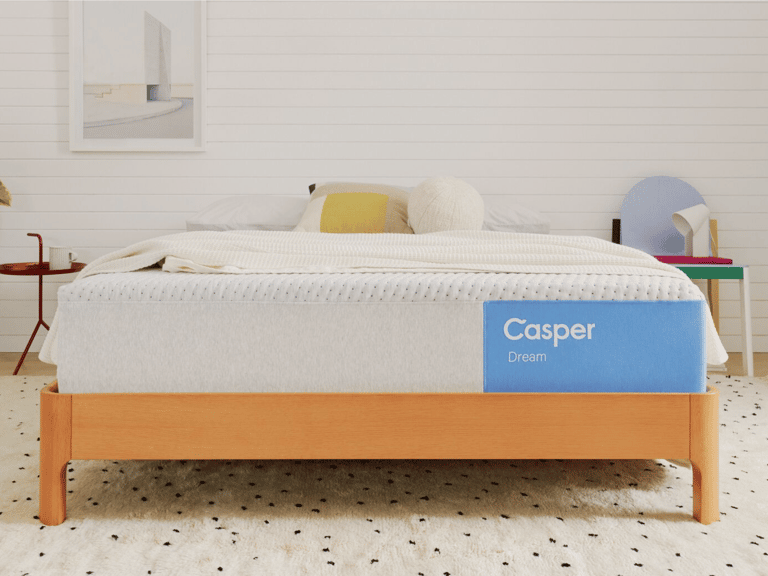
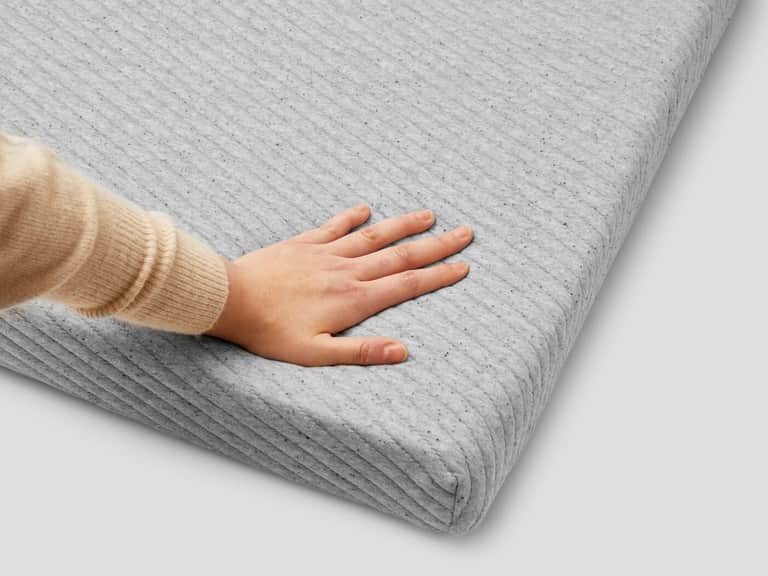
- Mattress Compatibility: Not all mattresses work equally well with adjustable bases. Box springs can limit movement, while certain foam, latex, or hybrid mattresses adapt more readily to contours and elevation.
- Weight Capacity and Stability: Heavier configurations require sturdier frames. Weight limits ensure long-term performance and safety, especially for shared beds or heavier users.
- Preservation of Mattress Longevity: A properly matched system minimizes shear and allows for even weight distribution to extend mattress life.
- Safety Features: Integrated pause sensors, emergency stop, and auto shutoffs contribute to safe use in homes with children or pets.
Choosing by Use Case: Elder Care, Recovery, and Chronic Pain
Your sleep setup should reflect how you live and what you endure daily. Below are three practical use-case lenses to help you align features with needs:
- Elder Care and Accessible Design: Prioritize head and leg elevation ranges, ease of reach, and stable frames. A simple remote or integrated app can reduce frustration. Consider equipment with durable motors and a design that facilitates transfers and general use by caregivers.
- Elevation presets that support upright positioning for breathing ease, digestion, and circulation can aid healing. Compatibility with pressure-relieving mattresses helps minimize pressure points during recuperation.
- Focus on zone-specific support and precise alignment of the spine. A mattress that contours well to changes in posture, combined with reliable articulation, can reduce stiffness and improve daytime function.
In all these scenarios, a patient, informed approach to configuration can turn an adjustable bed from a convenience into a daily-health partner.
Mattress Compatibility: What Works and What to Check
Mattress compatibility is a critical, often overlooked, dimension of performance. Adjustable bed frames can shape the feel of a mattress, influence sleep temperature, and affect durability. Here are practical checks to guide your selection.
- Material Type: Foam, latex, and hybrid mattresses generally adapt well to adjustable bases because they’re designed for flex and contour. Traditional innerspring mattresses may require a more carefully tuned system or mattress topper to prevent unwanted movement or binding.
- Weight and Fill: Heavier toppers or pillows may require higher weight capacity frames and robust motors. If you’re pairing with memory foam toppers or latex layers, ensure the setup supports your desired firmness without excessive sagging in elevation.
- Edge Support and Movement: Some mattresses experience edge compression or reduced support when articulated. Look for models with solid edge support or consider a topper that stabilizes the perimeter during elevation.
- Heat and Breathability: Temperature regulation remains essential. Breathable foams and latex layers help dissipate heat when the bed is elevated for long periods.
- Warranty and Replacement: Check whether the mattress warranty remains valid when used with an adjustable base, and whether the base is included in coverage terms as a separate component.
Safety and Maintenance: Keeping Your Adjustable Bed in Top Form
Long-term reliability comes from consistent care. Here are practical steps to maintain performance and safety:
- Regularly inspect the power source connections and cords for wear or fraying. Replace damaged cables promptly to prevent hazards.
- Keep the bed away from moisture and extreme temperatures. A dry, stable environment reduces wear on motors and electronics.
- Test safety features periodically. Use an emergency stop and pause the system to ensure sensors and stops function correctly.
- Follow manufacturer care guidelines for your mattress and toppers. Use breathable covers and avoid placing heavy items on the frame that could bend or warp components.
- Weight distribution matters. Don’t exceed the stated weight capacity, and distribute weight evenly to minimize stress on the frame and motors.
A Practical Buying Guide: How to Decide What to Buy
If you’re approaching adjustable beds with a goal of informed decisions, follow these pragmatic steps. They help you evaluate configurations without feeling overwhelmed by choices.
- Consider who will use the bed, typical sleep posture, and any medical or mobility considerations.
- Determine a range that balances base price with mattress and topper costs, plus accessories or installation services.
- Confirm mattress compatibility, frame weight capacity, and warranty alignment with your chosen setup.
- Prioritize presets, control interface accessibility, and the range of elevation that best suits daily routines.
- Ensure the base fits the space with proper clearance for lifting and maintenance access.
Notable Figures Through Time: Perspectives on Comfort and Space
From design pioneers to health advocates, three key individuals from different eras offer enduring insights that resonate with the philosophy of adjustable comfort today.
Leonardo da Vinci (1452–1519)
Renaissance designer and observer of human anatomy, whose studies of posture and structure inform modern ergonomics.
Florence Nightingale (1820–1910)
A pioneer in patient-centered care and environmental health, whose emphasis on comfort and safety translates to bed comfort and safety today.
Frank Lloyd Wright (1867–1959)
Architect of harmonious living spaces, whose belief in functional beauty informs the clean, accessible design of modern furniture and bedroom layouts.
Product Highlight: Bennington Bed with High Footboard
For readers seeking a bedside centerpiece that blends classic silhouette with modern durability, consider the Bennington Bed with High Footboard. This solid wood bed offers customizable wood species—natural cherry, maple, or walnut—and adjustable headboard heights to suit room scale and mattress configurations. Its architectural profile features a subtle peak on both headboard and footboard, providing a restrained focal point that balances style with sturdiness. The design supports long-term use, with a robust construction that remains timeless in a modern bedroom.
Key specs: Solid wood, headboard heights: 42" and 48", available in multiple sizes to fit standard mattresses.
This piece represents a bridge between traditional craftsmanship and contemporary sleep setups. While not a direct adjustable mechanism, its durable foundation can complement adjustable toppers and mattresses by providing a stable, aesthetically pleasing anchor for your sleep system.
Bennington Bed with High Footboard — Solid Wood Collection
A Visual Wireframe: Structuring Your Information
To help you translate this guidance into a website or a resource hub, here’s a suggested skeleton of sections and content blocks, designed for clean readability and an editorial voice that mirrors People magazine’s approachable tone.
- Home: A concise overview with a hero statement about adjustable beds as wellness enablers.
- Guides: Feature-depth articles like “How Adjustable Beds Work,” “Safety and Maintenance,” and “Buying Guides.”
- Compatibility: A reference hub detailing mattress types, toppers, and frame requirements.
- Care & Safety: A practical how-to section with checklists and troubleshooting steps.
- Caregiver and Professional Resources: Scenario-based guides.
- Glossary: Definitions of common terms, from presets to weight limits.
Final Thoughts: Building Authority and Empathy
An informational, non-commercial approach can establish a trusted resource in the adjustable bed niche. By focusing on how beds work, how to choose configurations, and how to care for them—with a commitment to accessibility, safety, and practical guidance—you create a space that enhances readers’ lives. The story of a good night’s sleep is timeless, and with careful content strategy, you can help people discover exactly how an adjustable bed can become a daily source of relief, comfort, and serenity.
Call to Action: Content Roadmap and Further Reading
If you’d like, I can draft a detailed content plan with a 6-12 month publishing calendar, keyword ideas, and a sample homepage wireframe to help you start. This plan can include expert interviews, case studies, buying guides, and practical checklists that align with the Direction A strategy for adjustablebeds, emphasizing education over commerce.
Images: Bennington Bed with High Footboard (prototype rendering), Repose Bed Frame, Comfy Mattress Topper — images included for product highlights. For this article, select images may be provided upon request to accompany product-focused sections.