Foam mattresses are renowned for contouring support and pressure relief, making them a common choice for customizable sleep setups. This category highlights designs that emphasize memory or transition foams, which reduce motion transfer and provide steady alignment for the spine. Key features often include comfort layers, support cores, and breathable covers that promote temperature regulation.
Understanding foam mattress construction helps compare models for individual needs. Look for layers such as high-density polyfoam, memory foam, or polyurethane blends, each contributing to resilience and durability. Optional cooling technologies, like open-cell foams or graphite-infused formulations, target heat dissipation while maintaining contouring comfort.
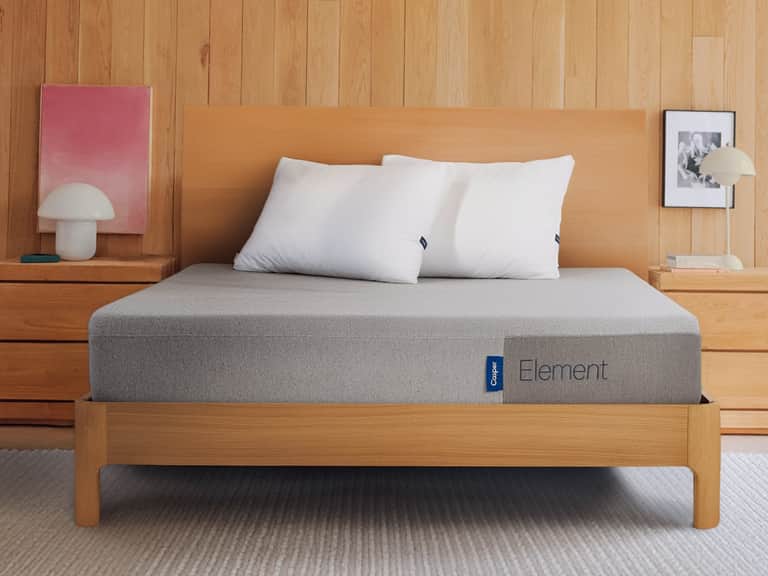
Element Mattress represents an example within this category, designed to balance firmness and adaptive support. Typical features include a zoned or multi-layer foam system that responds to body weight distribution, a breathable cover, and foundational support to maintain spinal alignment. Functional benefits include reduced pressure points and improved ease of movement.
In evaluating foam mattresses, consider sleep position compatibility, durability rating, and off-gassing potential. Side sleepers may prioritize softer top layers, while back and stomach sleepers may require firmer support beneath the contouring foam. Certifications such asCertiPUR-US help indicate foam content and safety standards.
Beyond comfort, foam mattress technology intersects with broader bedding considerations like pillows, organic materials, latex options, and compatibility with adjustable bases. Understanding how foam responds to a range of inputs supports informed decisions about long-term sleep health and overall bed system integration.
 Mattresses